One of the most prevalent dangers during winter is the risk of slipping on ice. Icy sidewalks, driveways, and steps can lead to serious falls and injuries. Below are winter safety hazards and controls some prevention tips to keep you safe and upright.
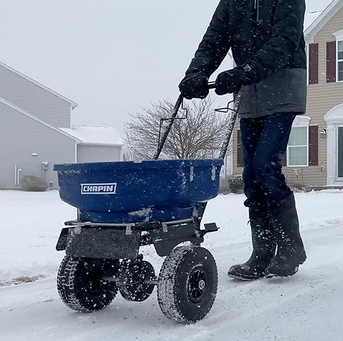
Salt and Sand: Always keep a bag of salt or sand at hand to spread on icy surfaces. This can provide traction and melt ice. Websites like theEnvironmental Protection Agency can offer eco-friendly alternatives to traditional rock salt.
Proper Footwear: Wear shoes with heavy treading or slip-resistant soles. Consider using ice grippers, which can be attached to shoes for additional traction.
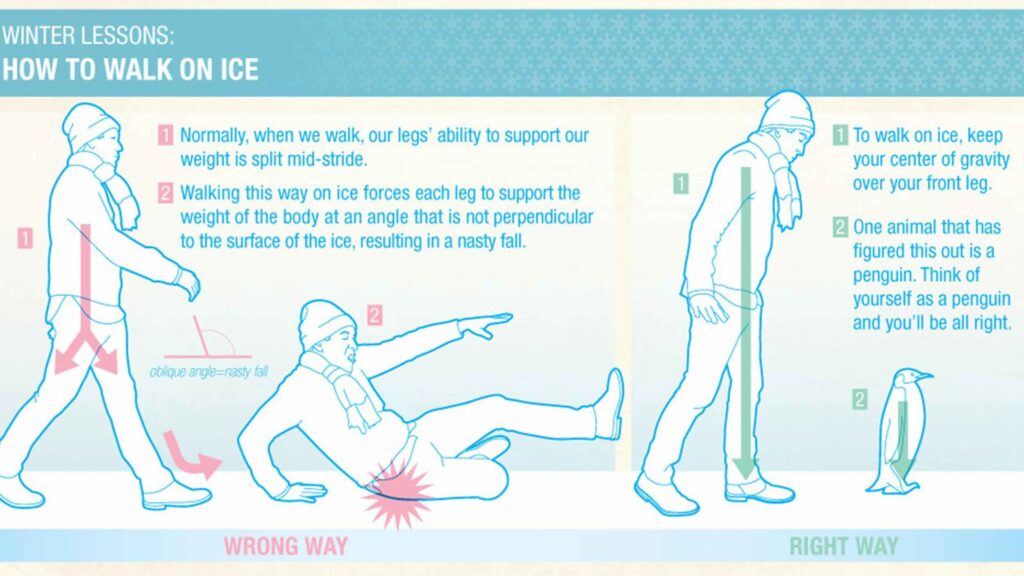
Walk Like a Penguin: When walking on ice, take short, shuffling steps and keep your arms out to balance. This “penguin walk” can minimize the risk of falling.
Winter Driving: Navigating the Treacherous Roads
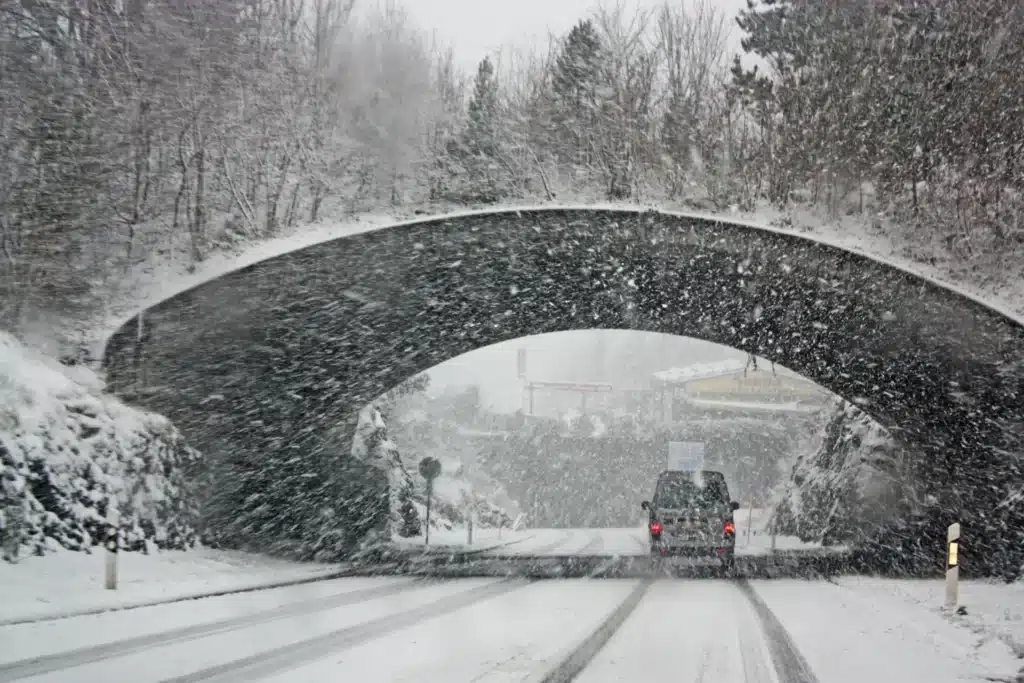
The second main winter safety hazard is winter driving. It can be hazardous with slippery roads, decreased visibility, and the potential for getting stranded in cold conditions. Use the prevention tips below to make it home safely.
Winter Tires:
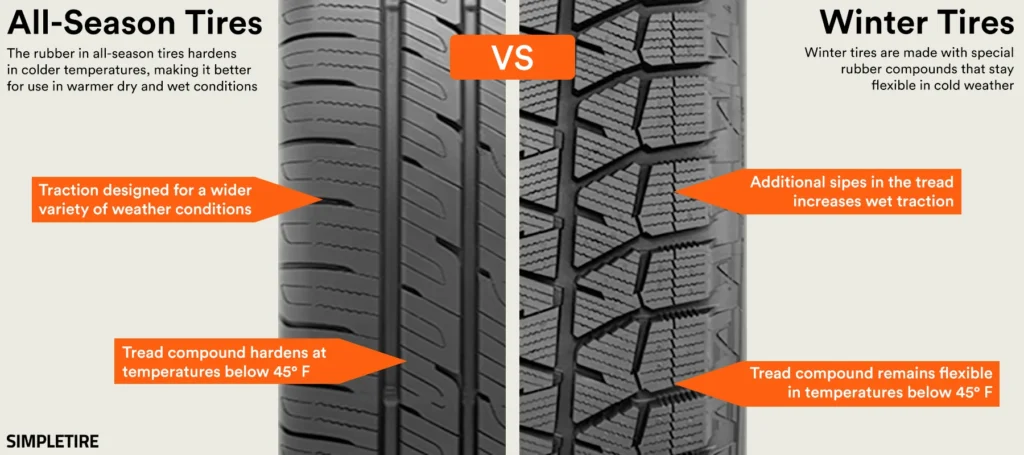
Invest in good-quality winter tires that provide better traction on snow and ice. Websites likeTire Rack can guide you in selecting the right tires for your vehicle. Watch for pre-season or holiday sales to help get your vehicle road safe on a budget.
Emergency Kit:
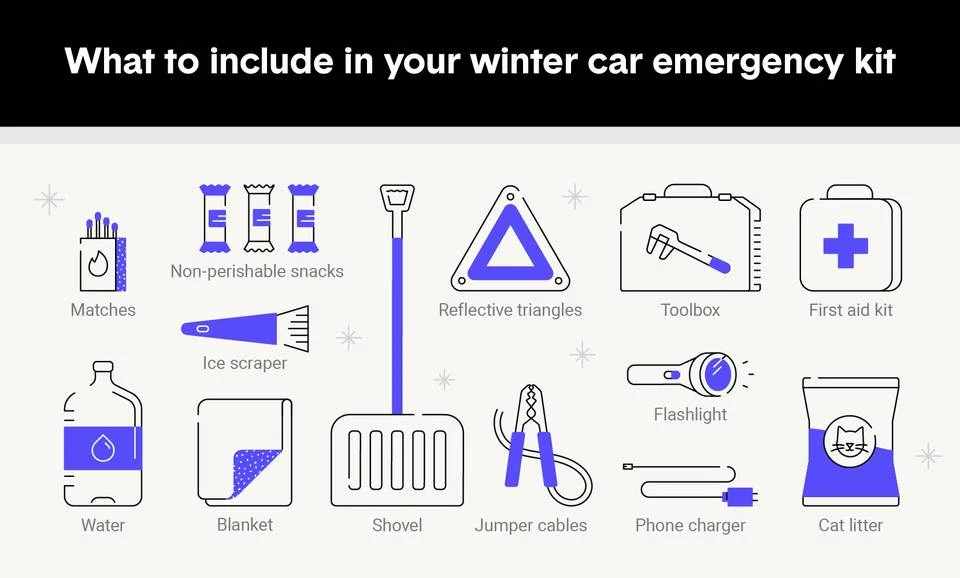
Keep a winter emergency kit in your car. This should include items like blankets, a flashlight, a shovel, and snacks. TheAmerican Red Cross provides a comprehensive list of emergency kit items. You can buy a full kit or build your own!
Stay Informed:
Before heading out, check the weather forecast and road conditions. Websites likeWeather.com and local Department of Transportation sites can provide up-to-date information.
Frostbite and Hypothermia: The Cold Truth
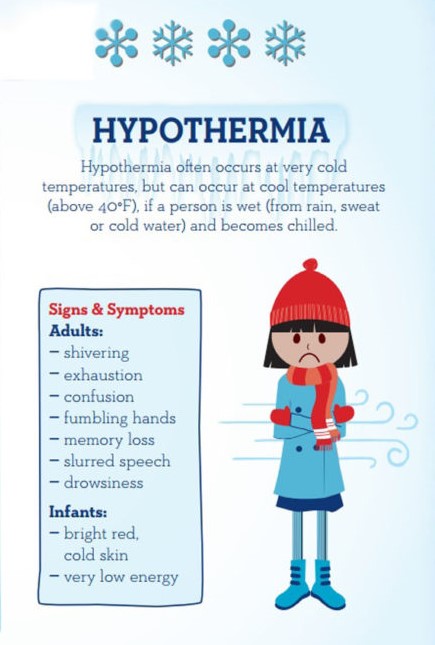
The third most important winter safety hazard is temperature. Exposure to extreme cold can lead to frostbite and hypothermia, serious conditions that occur when the body loses heat faster than it can produce it. This can cause long term damage to the body and in certain cases lead to death. While hypothermia can be reversed, frostbite can cause permanent damage to skin.
Layer Up: Dress in layers to trap body heat. Websites likeREI offer guides on how to layer clothing effectively for cold weather.
Stay Dry: Wet clothing can rapidly increase the loss of body heat, so it’s essential to stay dry. Waterproof outer layers are a must. Wool or other moisture wicking material is excellent for a base layer under work clothes.
Know the Signs: Recognize the symptoms of frostbite (numbness, white or grayish-yellow skin, firm or waxy skin) and hypothermia (shivering, exhaustion, confusion). TheCenters for Disease Control and Prevention provides detailed information on these conditions.
Stay Nourished: Eating well and staying hydrated helps your body produce the necessary heat to keep you warm.
Conclusion
Winter brings a unique set of hazards that require vigilance and preparation. By being aware of the risks associated with icy surfaces, winter driving, and extreme cold, you can take proactive steps to ensure safety. Remember, prevention is key. By following the tips outlined above and staying informed through reliable resources, you can enjoy the winter months without incident.
Stay safe and warm, and don’t let winter’s hazards catch you off guard!