In the world of workplace safety and efficiency, three acronyms often pop up, each signifying a set of guidelines that are crucial to the smooth operation of any business: SWP (Safe Work Procedure), SOP (Standard Operating Procedure), and SJP (Safe Job Practice). While they may sound similar, each plays a unique role in the workplace. Understanding what they do is key to ensuring not only the well-being of employees but also the productivity and compliance of an organization.
SWP: Safe Work Procedures - The Safety Net of the Workplace
Safe Work Procedures (SWPs) are the detailed scripts for safety performance in the workplace. Think of SWPs as the choreography for a ballet – every move is designed to prevent injury and ensure the safety of the dancers (or in this case, the workers). SWPs are developed to mitigate risks associated with specific tasks and are particularly crucial in industries where the work involves potential hazards. These sometimes are found as a series of “Do and Don’t” instructions.

What SWPs Do:
- Risk Mitigation: SWPs are all about identifying potential hazards and outlining the measures to minimize risk.
- Compliance:They ensure that safety practices meet legal and regulatory standards, keeping the company on the right side of the law.
Prevention Tips:
- Customization: Develop SWPs for tasks that are high-risk or have a history of incidents. Tailor them to the specific circumstances of your workplace.
- Training: Regularly train employees on SWPs to ensure they are familiar with the safety steps and understand their importance.
SOP: Standard Operating Procedure - The Blueprint for Consistency
Standard Operating Procedures (SOPs) are the go-to guides for how regular tasks should be performed within an organization. They are the instruction manuals that ensure consistency and quality in the execution of work. SOPs are less about avoiding harm (though they often include safety steps) and more about standardization – ensuring that a task is done the same way, with the same high standards, every time. In certain organizations, SWP’s are called SOP’s and vice versa. SJP/SOP terminology is also sometimes inverted.

What SOPs Do:
- Quality Control: SOPs maintain the quality and consistency of work outputs.
- Efficiency: They streamline processes, making sure that tasks are completed efficiently and effectively.
Prevention Tips:
- Detail-Oriented: Create comprehensive SOPs that leave no room for guesswork. The more detailed the SOP, the less variability in performance.
- Review and Update: As processes and technologies evolve, so should SOPs. Keep them current to maintain operational effectiveness.
SJP: Safe Job Practice - The Custom Tailor of Workplace Safety
Safe Job Practices (SJPs) are similar to SWPs but are often less formalized. They are the set of safety practices tailored to specific jobs or tasks within the workplace. If SWPs are the general safety rules, SJPs are the personalized safety tips that take into account the nuances of a particular job.
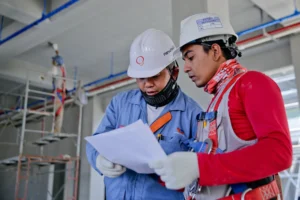
What SJPs Do:
Personalized Safety: SJPs provide customized safety guidance for specific job tasks, taking into account the unique aspects of each job.
Adaptability: They offer a flexible approach to safety that can be adapted as job tasks evolve or change.
Prevention Tips:
Job Analysis: Conduct thorough job analyses to understand the specific safety needs of each task and develop corresponding SJPs.
Employee Involvement: Engage employees in the creation of SJPs to ensure that the practices are practical and relevant to the tasks they perform.
While SWPs, SOPs, and SJPs might seem like a confusing mix of letters, each serves an important purpose in maintaining workplace safety and efficiency. SWPs provide the safety guidelines for specific tasks, SOPs ensure consistent quality and efficiency in operations, and SJPs offer tailored safety tips for particular jobs. Together, they form a comprehensive framework that supports a culture of safety and excellence in any organization.
Understanding the distinct roles and applications of SWPs, SOPs, and SJPs is essential for managers and employees alike. By implementing these procedures, businesses can protect their workforce, streamline their operations, and maintain high standards of quality and safety.